Oil falls to lowest since January, raising fuel price cut hopes
Benchmark Brent crude oil dropped to its lowest level since January on Monday, increasing the likelihood of a fall in fuel costs despite protests in China over severe Covid limits and the upcoming G-7 price cap on Russian oil beginning on December 5.
Brent fell more than 3 percent, or $2.6 per barrel, to $80.97. Apprehension over another output cut by the Opec+ group, which includes Russia, added to the sharp decrease. The panel will meet on December 4 to discuss the present production limits.
Brent has lost momentum over the past three weeks in a row. As a result, the price of “Indian Basket,” or the blend of crude oil purchased by Indian refiners, has decreased to $82/barrel from an average of $112.8 a barrel in March.
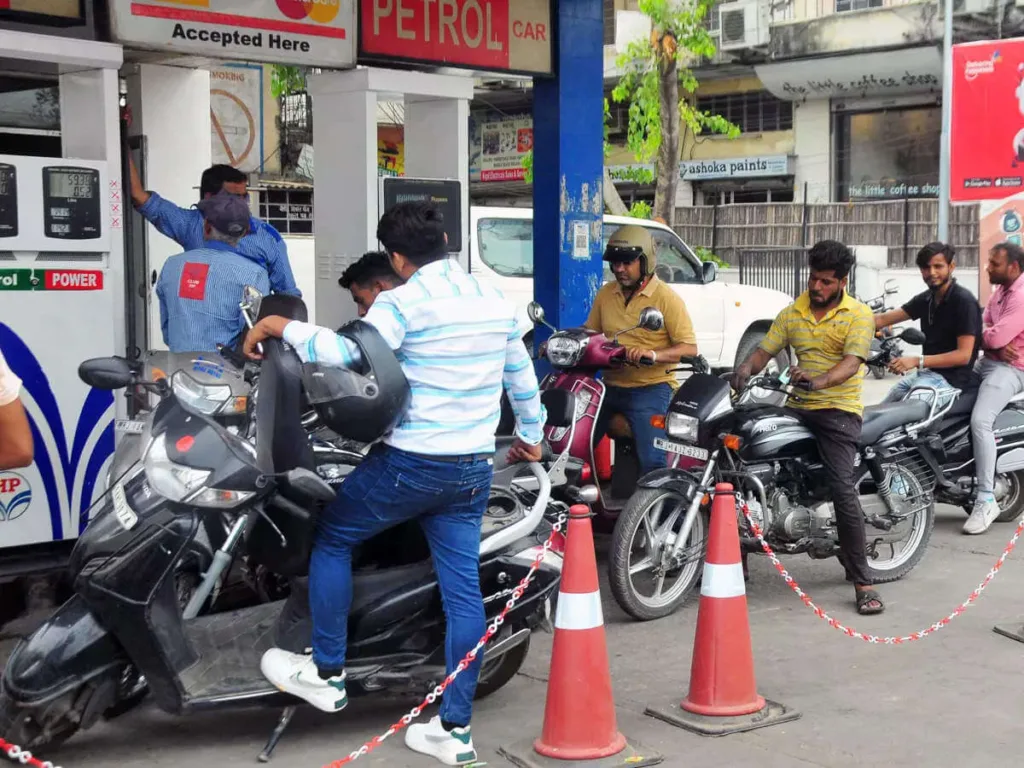
The trend is favourable for both consumers and the economy. Current petrol and diesel prices reflect oil at around $85 per barrel. Consequently, if oil remains at current level or continues to decline in the next days, there is room for a fuel price reduction.
As a relief to consumers after Brent spiked following Russia’s invasion of Ukraine on February 24, the government reduced excise duty by Rs 8 on petrol and Rs 6 on diesel on May 22. Since then, the price of fuel has remained frozen, which, according to market observers, caused an under-recovery of Rs 10 on fuel and Rs 14 on diesel in the quarter ending in April-June.
The margins (over-recovery), which many people consider to be a notional value, were in the green earlier this month, but some cash loss still needed to be eliminated, according to officials from the petroleum ministry. The RBI will be able to spread out monetary tightening as suggested by the industry with the help of a reduction in pump prices, the first since May 22.
Lower oil prices will also lessen the need to export foreign currency to pay for oil imports, which are currently set at 85% of demand, relieving some of the pressure on the current account deficit. The rupee and government finances will benefit from this.
As India is the third largest crude importer after China and the United States, both of which are showing signs of a slowdown, analysts believe recent estimates indicating a slowing growth rate in India could add to the downward pressure.
Also Read
- How Shantanu Naidu became Ratan Tata’s assistant
- Kunal Shah, the CEO of CRED, talks about how much he makes and why
- Zomato stops offering its 10-minute delivery option
- Invest Rs 2,130 monthly in THIS LIC Policy and get Rs 48,500,000
Follow us on Instagram to be updated with latest trends: www.instagram.com/moneyscaler